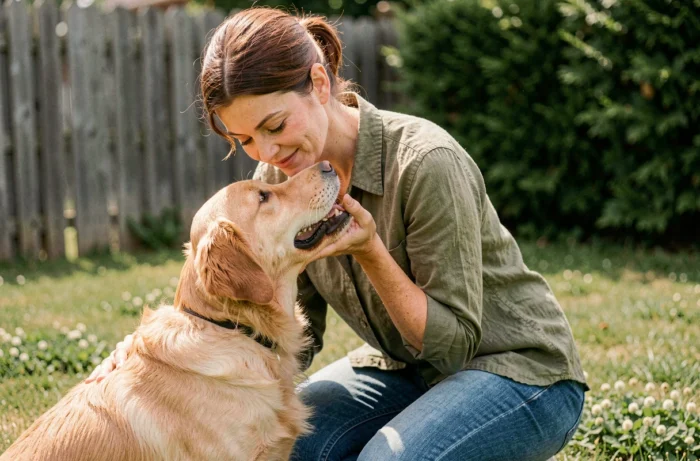
In France, the certificate of commitment and knowledge must be signed at least seven days before a dog is transferred, including as a gift or through adoption. This mandatory reflection period covers the animal’s physiological, behavioral and medical needs, as well as the financial implications of caring for it. Despite this framework, many owners only discover their dog’s real needs once it has settled into their home.
Adopting a dog: the first few weeks make all the difference
Have you noticed that a newly adopted dog sometimes seems “perfect” for a few days, then starts displaying unexpected behaviors? This is normal. The dog observes its new surroundings before revealing its true temperament.
During this phase, a calm home matters more than stimulation. A dog arriving from a shelter has often experienced prolonged stress. Immediately expecting it to go on long walks in the city, meet other animals or take part in intense play can make its anxiety worse rather than ease it.
Shelters stress that adoption requires a gradual adjustment period. In practice, this means limiting visitors for the first few days, setting up a permanent resting area and not imposing too many rules right away. A dog needs consistent cues before it can learn anything.
To learn more about the characteristics of each breed and how best to welcome a dog into your home, the dogs section on 4 Pattes d’Amour explores these differences with practical profiles.
Wait at least two to three weeks before judging your dog’s behavior. The dog you see on day one may not be the same a month later. A withdrawn dog may become playful, while a calm dog may become reactive once it feels comfortable. Adjusting your expectations to this pace of adaptation can prevent many misunderstandings.
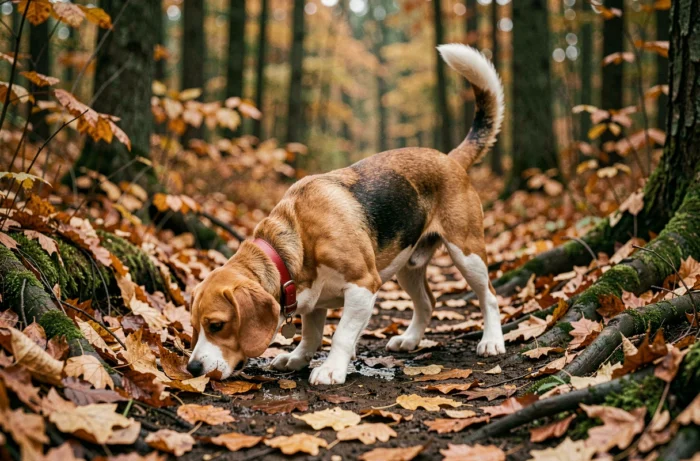
A dog’s physical needs: balancing exercise and rest
A dog that destroys objects or barks repeatedly is not necessarily “badly trained.” Often, it simply lacks activities suited to its build and age.
Tailoring exercise to size and energy level
A puppy doesn’t have the same needs as an adult dog. A young dog’s joints are fragile, and overly strenuous exercise (jumping, running on hard surfaces) can cause lasting joint problems. By contrast, an adult herding dog or terrier needs regular, vigorous walks to stay balanced.
Walks aren’t just about how far you go. A dog that is free to sniff for twenty minutes gets as much mental stimulation as it would from an hour of brisk walking. A dog’s primary sense is smell, and exploring scents is an activity in its own right.
Rest: an underestimated need
An adult dog sleeps an average of twelve to fourteen hours a day. A puppy needs even more. Many owners worry when they see their pet sleeping so much, even though it’s a sign of good health.
The opposite problem can occur too: a dog that doesn’t get enough sleep becomes irritable. If its resting area is noisy, in the middle of household traffic or shared with young children, the quality of its sleep quickly deteriorates.
Signs of stress in dogs: recognize them before they escalate
Dogs can’t speak, but their bodies are constantly communicating. Learning to read these signals makes it possible to step in before unease develops into an established behavioral problem.
- Excessive lip licking when there’s no food around often indicates discomfort or tension. This quick gesture is easy to miss unless you watch closely.
- Repeated yawning when the dog isn’t tired is a sign of stress. A dog that yawns during a social interaction is trying to calm itself.
- Turning its head or looking away when approached head-on is a calming signal. The dog is asking for space, not a cuddle.
- A low, stiff tail, a frozen body or ears pinned back indicate a state of anxious alertness.
These signals are often mistaken for “sulking” or “guilt.” A dog that lowers its head after doing something wrong doesn’t regret what it did. It’s reacting to your posture and tone of voice. Dogs don’t feel guilt; they sense a threat.

Identification and administrative records: practical requirements
A dog cannot be transferred without being identified by microchip or tattoo. After the transfer, the change of keeper must be reported to I-CAD. Keeping identification details and contact information up to date makes it easier to reunite with a dog if it gets lost or stolen.
Many owners realize how important this update is too late—when they move or after their dog runs away. Updating your contact details with I-CAD every time you change address is a simple step that can prevent a permanent separation.
The certificate of commitment mentioned above also highlights the recurring costs of owning a dog: food, veterinary care, parasite prevention and sometimes insurance. These ongoing expenses far exceed the initial purchase cost, and factoring them in before adopting is the best way to help prevent abandonment.
Giving a dog a happy life doesn’t mean following a rigid program or accumulating accessories. It means observing its reactions every day, respecting its pace of adjustment and meeting its actual needs—not the ones we project onto it. A dog whose signals are understood and whose rest is protected is, in most cases, a well-balanced dog.


