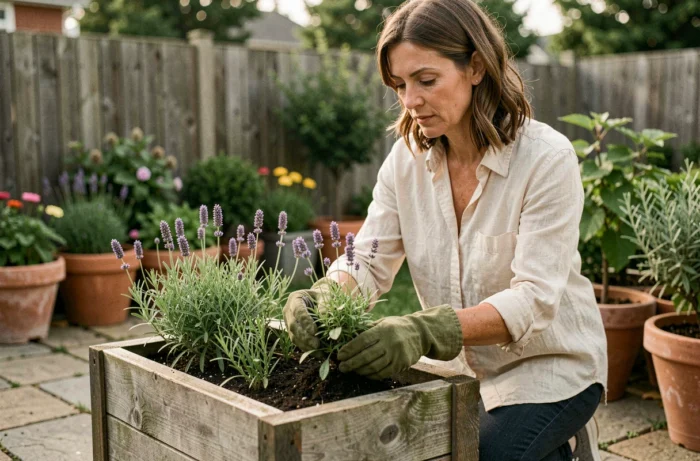
Which plants can withstand watering restrictions, which materials are gaining ground on patios, and where do the real regulatory constraints lie when you want to update your garden this season? Rather than listing decorative trends, this article compares the practical factors that determine your choice of outdoor landscaping: water use, the legal status of plants, and the durability of paving materials.
Water restrictions and plant choices: a comparison at a glance
Today, the first factor that shapes any gardening project is neither style nor budget, but water availability. Prefectural orders set different alert levels depending on the municipality, and the rules sometimes change during the season. Before planting a new flower bed or scheduling automatic watering, the VigiEau platform lets you check the restrictions that apply in your area.
Rainwater harvesting expands your options, but it is also regulated. Under certain conditions, rainwater can be used to water the garden, flush toilets, or clean floors. However, roofs made of lead or asbestos rule out any indoor use of collected water, and connecting the system to the drinking water network is prohibited.
| Criteria | Drought-tolerant native plants | Exotic or water-hungry plants |
|---|---|---|
| Watering needs | Low to none once established | Regular, sometimes daily in summer |
| Compatibility with prefectural restrictions | Can be maintained even under heightened alerts | Watering often prohibited from Level 2 onward |
| Seasonal maintenance | Light pruning, few inputs | Fertilizing, treatment, winter protection |
| Regulatory risk (invasive species) | None if the species is native | Must be checked against the official list |
| Cost over three years (plants + water + care) | Moderate | High |
This comparison shows that a garden’s true cost depends more on water than on the price of the plants. A locally adapted variety planted in autumn needs supplemental watering during its first year, then becomes self-sufficient. An exotic plant, even if cheaper to buy, racks up water and maintenance costs over several seasons.
For the latest news from Conseil Jardin on resilient varieties and suitable landscaping techniques, regularly updated guides provide a useful complement to this overview.
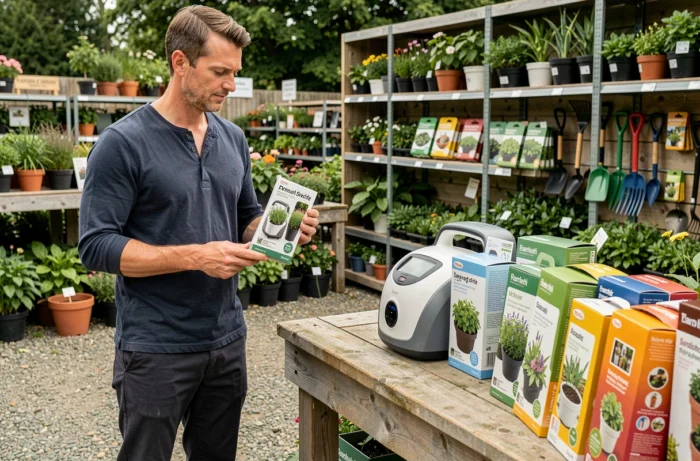
Exotic plants and invasive species: the regulatory pitfall to know about
Interest in unusual plants remains strong this season. Breeders release new cultivars every year with changing foliage or extended flowering periods, such as Abelia Caramel Charm, developed in France, whose foliage shifts from copper to gold depending on the light.
But not every “exotic” plant is legal. Some species are banned from sale and cultivation in France, and the official list of invasive plants has been updated. Before buying an unusual variety or propagating it in your garden, checking its status against this list is essential.
Before making any purchase, follow these three checks:
- Consult the updated official list of invasive alien species to make sure the plant is not included, even if it is sold at a garden center.
- Check local growing conditions: a plant suited to the Mediterranean climate may become invasive in the Atlantic region, where it does not encounter the same natural predators.
- Choose nurseries that explicitly state the regulatory status of their varieties—a practice that remains uncommon among mainstream retailers.
Patio surfaces and wood materials: a comparison of durability
Wood remains the most popular material for patios and outdoor living spaces. This season’s trends confirm two directions: untreated natural wood for an organic look, and composites that mimic wood while eliminating annual maintenance.
The difference comes down to longevity. Untreated softwood turns gray within a few months and needs a wood cleaner or sealer every year. Class 4 tropical hardwood (ipe, cumaru) withstands the elements without treatment, but its purchase price is significantly higher. Composite decking, meanwhile, only needs to be cleaned with water, but its production has a heavier carbon footprint than locally sourced wood.
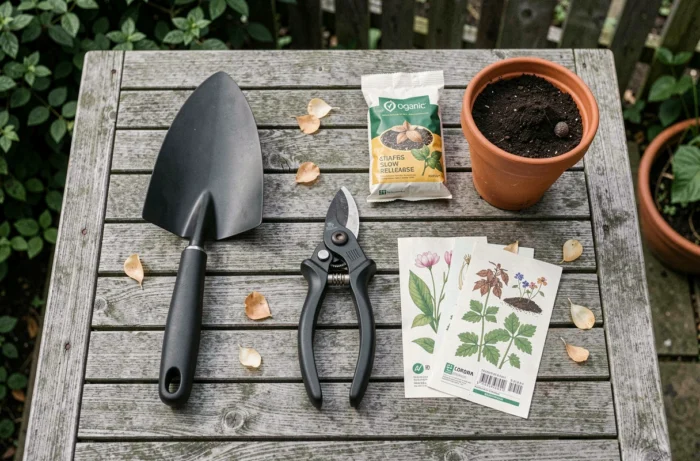
Recycled materials are gaining ground
Repurposed wooden pallets, reclaimed stone, reused masonry elements: these solutions are no longer just improvised DIY projects. They are part of a sustainable landscaping approach in which second-life materials play a real role in shaping outdoor spaces. Once sanded and treated, pallet wood can be used as cladding for raised planters or low fences.
The issue is not just aesthetic. Using local and recycled materials reduces transportation and the emissions associated with it. For a patio or edging project, comparing the total cost (purchase, installation, and maintenance over five years) of new materials with reclaimed ones often gives the latter a clear advantage.
Rainwater harvesting: what the regulations actually allow
Installing a rainwater collector has become second nature for gardeners seeking greater self-sufficiency. Many people overlook the regulatory distinction when it comes to uses beyond the garden. Rainwater can be used to flush toilets and clean floors, but using it for a washing machine requires additional technical measures (filtration and labeling of non-potable water outlets).
A common mistake is to assume that stored rainwater is automatically exempt from watering restrictions during a drought. Prefectural orders do not all provide the same exemptions. Some departments allow watering with harvested rainwater even under heightened alerts; others do not. Checking VigiEau remains the only reliable way to find out.
- Underground or above-ground tank: an underground tank keeps water cooler and prevents algae growth, but it costs more to install.
- Compatible roofing materials: tiles, slate, zinc, and steel are permitted. Lead, asbestos cement, and chemically treated green roofs are excluded.
- Usable capacity: sizing the tank to match the collection roof area and the garden’s actual needs avoids overinvesting.
This season’s gardening innovations point to outdoor spaces where every choice, from plants to paving, is judged as much by its ability to withstand climate and regulatory constraints as by its appearance. Over several years, water costs are often the deciding factor between two otherwise comparable options.


