
Online entertainment is no longer just a stream of viral videos and music charts. Social platforms now account for a growing share of cultural consumption, from film and music to sports. This centralization raises practical questions about funding creative work, regulating advertising and providing legal access to content. Several recent institutional reports are reshaping the contours of the sector, outlining potential reforms while highlighting persistent limitations.
Funding cultural creation on social platforms
The Boutron report, which focuses specifically on digital content creators, proposes moving beyond the current model, in which works are only paid for after they are published. One of its key proposals is to encourage platforms to commit to providing upfront funding, rather than relying solely on the sharing of advertising revenue after the fact.
This shift would turn social networks into genuine funders of cultural creation. Today, creators publish their work first and then receive—or do not receive—payment based on views or engagement. The Boutron report also highlights the lack of transparency around how advertising revenue is shared between platforms and creators.
To keep up with these developments and broader digital entertainment trends, it is useful to follow the latest news regularly, including at https://www.epicbuzz.fr, which covers cultural news and the latest viral phenomena.
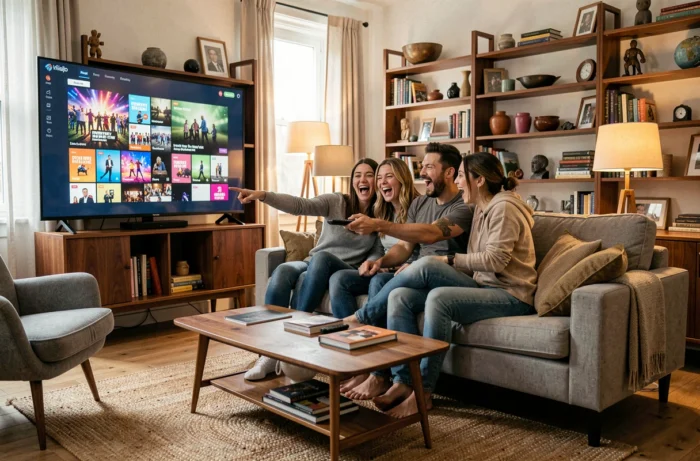
Illicit consumption of cultural and sports content via social networks
Social networks are not just used to promote creative works. Arcom identifies these platforms as a significant channel for the illicit consumption of cultural and sports content. Concert videos, match highlights and films shared without permission: the phenomenon goes beyond piracy on dedicated websites.
Arcom’s barometer identifies several barriers that lead users to engage in these illicit practices:
- The cost of streaming subscriptions and sports packages, which part of the public considers too high
- Uneven content availability across legal platforms, sometimes forcing users to take out multiple subscriptions to access a complete catalog
- Difficulty accessing legal services, whether due to geographic restrictions or complicated sign-up processes
These findings fuel debate about the pricing policies of streaming platforms. Reducing illicit consumption also means rethinking the legal offering, not just cracking down on piracy.
Regulating advertising by influencers and content creators
Recent legislative changes have introduced new rules for advertising by influencers, including transparency requirements for commercial partnerships and sponsored content.
The National Assembly has voted to strengthen Arcom’s powers regarding neighboring rights, broadening its oversight of how cultural content is used and monetized on platforms. These expanded powers apply to both traditional media and digital creators.
Competition between traditional media and digital platforms
The Ministry of Culture has unveiled a plan to level the playing field between media outlets and platforms. The starting point is simple: digital platforms are capturing a growing share of advertising revenue, while traditional media—television, radio and the press—directly fund creative work through regulatory obligations.
This tax imbalance between digital platforms and traditional media illustrates how difficult it is to ensure that all players in the entertainment industry contribute fairly to funding creative works.

Digital entertainment trends: music, video games and short-form content
Beyond regulatory issues, entertainment is also changing in terms of format. Short videos (under one minute) dominate social media consumption. This trend is changing how music spreads: a clip lasting just a few seconds on a social platform can propel a track to the top of the streaming charts.
The video game industry continues to grow and is becoming increasingly intertwined with web culture. Live events—virtual concerts in games and esports competitions streamed online—are blurring the lines between interactive entertainment and passive viewing.
What sets lasting buzz apart from a passing phenomenon
A viral post that racks up millions of views in a few hours does not guarantee a lasting cultural impact. The difference often comes down to whether the creator or artist can turn that visibility into a structured project: an album, a tour, a series of content or a loyal community.
Virality without a creative strategy is just a flash in the pan. Platforms that invest in upfront funding, as proposed in the Boutron report, could help turn fleeting attention into a viable cultural project.
Online entertainment is entering a period of greater structure. The reforms under discussion—platform taxation, upfront funding for creative work and expanded powers for Arcom—are shaping a framework in which social platforms would take on financial responsibilities comparable to those of traditional broadcasters.
There is still a lack of data on how effective these measures will be in practice, particularly on how much creators actually receive compared with the advertising revenue their content generates. The challenge in the coming months will be to ensure these measures are effectively implemented, going well beyond legislative announcements.


